
Hidden in Plain Sight: The Cost Crisis in Women’s Healthcare
Women have to navigate the fragmented system with very little support, coordinating between providers and often interpreting conflicting guidance.
Women have to navigate the fragmented system with very little support, coordinating between providers and often interpreting conflicting guidance.

Network inaccuracy isn’t an inconvenience – it’s a public health crisis.


In an interview, Kyan Health Co-Founder and Chief Commercial Officer Konstantin Struck discussed how Kyan gives mid-market and enterprise employers access to premium workforce mental healthcare, at a price point that is affordable.

Too many women have experienced the impacts of living with gynecological conditions while feeling dismissed and struggling to get care. Women deserve better, and as we collectively challenge outdated norms, we are beginning to see improvement. Still, there’s much more work to be done.

Overcoming the systemic, structural and cultural issues that lead to poor nutrition is complex, making it even more essential for both private and public investment in food as health programs and policies that have been shown to be effective.

While enrollment in consumer direction programs has grown, more must be done to educate, amplify, and spread awareness to ensure that all eligible individuals learn about the benefits of this alternative to traditionally delivered agency and institutional care.
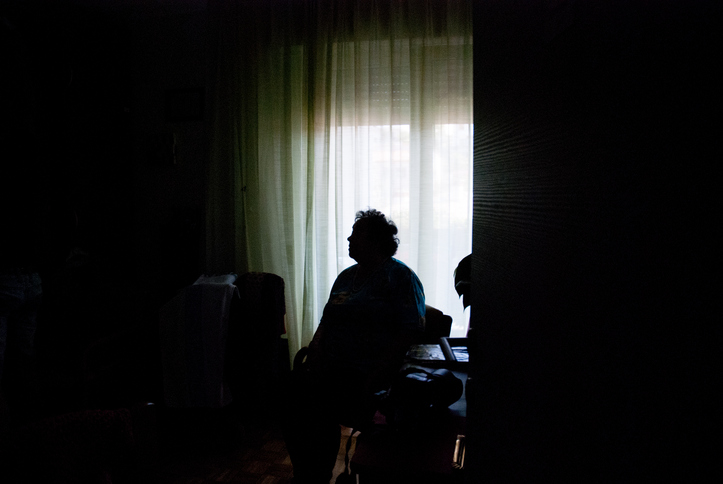
America is in the midst of a loneliness epidemic and it's taking a devastating toll on our mental and physical well-being. Here are 3 things that could help reverse the crisis.


Healthcare payments are no longer about transactions. It’s about controlling the revenue cycle. And increasingly, that control is not sitting with ISOs.

How targeted outreach and heightened engagement can help companies achieve better outcomes
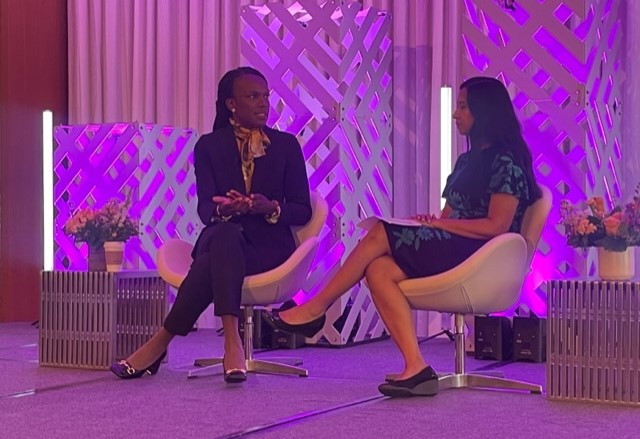
Dr. Ala Stanford, founder of the Black Doctors Covid-19 Consortium, provided hundreds of thousands of Covid-19 tests and vaccines to Black and Brown people in Philadelphia's underserved neighborhoods during the pandemic. In her view, her work was impactful because she acted promptly and focused on community-based patient engagement.

Employers have several strategies for combatting rising healthcare costs, including moving to more value-based care arrangements, said Ellen Kelsay, President and CEO of Business Group on Health. Other top health trends for employers next year will be continued support of wellbeing programs and health equity.

Racism has always existed in healthcare, but the Covid-19 pandemic laid bare how entrenched the problem still is. A panel at the MedCity INVEST conference focused on the role providers and payers play in tackling this issue. They have vowed to listen to minority communities and closely examine the racism in their own organizations, among other strategies.


We have the opportunity to design systems that give people greater capacity for the work where human presence matters most: listening, understanding, reassuring, deciding, and caring.